How to Lift Things Safely When You Have a Sore Back
Somewhere along the way, lifting became the villain of the back-pain story. A suitcase, a toddler, a bag of compost — once your back has complained a few times, every object on the floor starts to look like a trap, and plenty of people quietly reorganise their lives to avoid picking things up at all.
That caution is understandable, and mostly misplaced. This guide walks through what actually makes a lift go badly, the setup and habits that stack the odds in your favour, and four moves that build the strength every lift quietly borrows from your legs, hips, and trunk.
Is lifting really dangerous for your back?
Less than its reputation suggests. The spine is a genuinely strong structure — layered muscle, thick ligaments, vertebrae that handle compression remarkably well — and lifting is something it evolved doing. When a lift does flare a back, the story is usually not the movement itself but the mismatch: a load that arrived suddenly, at an awkward angle, on a body that had been mostly sitting for months. The back was asked for a sprint without ever being taken for a jog.
There is a second, quieter cost to fearing lifts. A back that is always guarded gets lifted with held breath and braced muscles, and a back that avoids lifting altogether slowly loses the very capacity that would make lifting comfortable again. Staying gently active — including with modest, manageable lifts — is among the best-supported self-care there is for ordinary back discomfort; MedlinePlus's back pain overview keeps movement near the top of its guidance.
So the goal of this guide is not to make you lift less. It is to make the lifts you already do — laundry baskets, grocery bags, small humans — kinder on the back, and to build the strength that gives you margin.
Before the load moves: the setup
Most lifting trouble is decided before your hands ever touch the load. Thirty seconds of setup does more for your back than any amount of mid-lift technique:
- Get close. Every centimetre between the load and your body multiplies the work your lower back does. Step in until the object is nearly against you — shins touching the box is the classic cue.
- Build a stance. Feet about hip-width, one slightly ahead if that feels steadier, on ground that isn't going to slide.
- Test before you commit. Tip or nudge the object first. Half the classic lifting tweaks come from a load that was far heavier — or lighter — than expected.
- Shrink the job. Two trips with half the weight is a strategy, not a defeat. So is asking for another pair of hands, and so is sliding or wheeling what doesn't need carrying.
- Clear the route. Know where the load is going and what you might trip over on the way, so the carry doesn't end in a stumble and a twist.
The lift itself
You have probably heard the rule — bend the knees, keep the back straight. It is decent advice, though modern back science holds it more loosely than the posters do: backs are allowed to round a little, and no single position guarantees anything. What matters more is the handful of habits that spread the work across the body's biggest muscles.
Hinge at the hips and let your knees bend, so your legs and glutes drive the lift — think of pushing the floor away rather than hauling the object up. Keep the load close for the whole journey, not just the first inch. Lift smoothly instead of snatching; a slow start gives your muscles time to share the job. And breathe — a steady exhale as you rise beats the held-breath heave, which spikes effort exactly when you want it spread out.
Two more habits earn their keep. First, move your feet to turn. Twisting through the spine while holding weight is the combination backs like least — step around instead, like a clock hand pivoting. Second, remember that putting a load down is a lift in reverse and deserves the same care; plenty of flare-ups arrive in the last six inches of a lowering that had stopped being careful.
If your back is currently sore, shrink every number: lighter loads, closer carries, more trips. A sore back usually does not need zero lifting — it needs lifting sized to what it can comfortably do this week.
Four moves that build lifting strength
Technique spreads the load; strength is what raises the ceiling. These four moves build the leg drive and quiet trunk that good lifting relies on — about ten minutes, every other day to start, with every rep at a pace that lets you breathe easily.
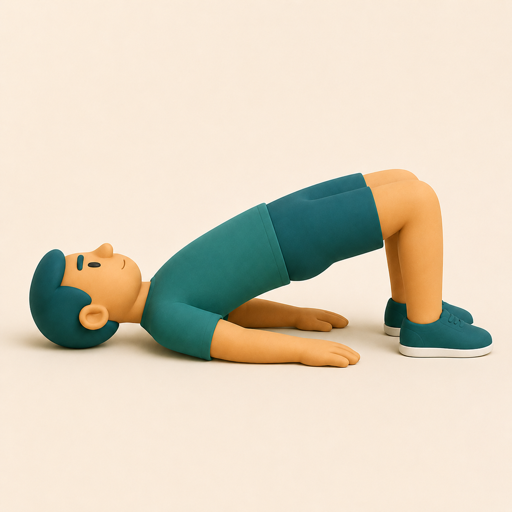 Glute bridge — 12 to 15 slow reps. The hip drive of every lift lives in the glutes; the bridge builds it while the spine rests supported on the floor.
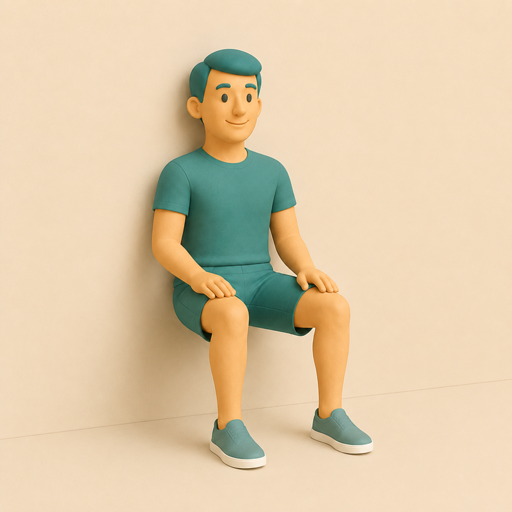 Wall sit — 20 to 30 seconds. Legs that can hold a comfortable squat take on work the back would otherwise absorb, with the wall backing up your spine the whole time.
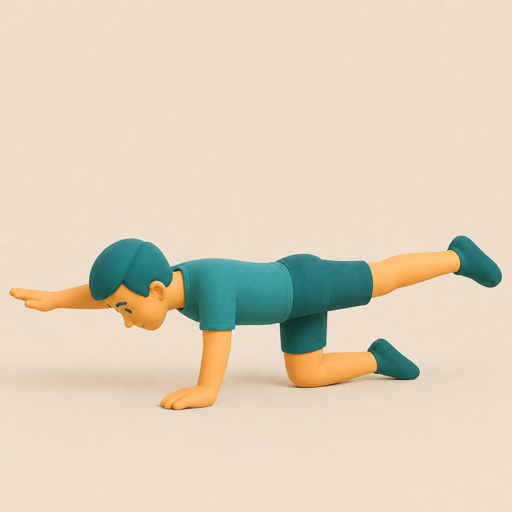 Bird dog — 8 to 10 reps per side, holding 3 to 5 seconds. Trains the trunk to stay quiet and level while the limbs work — which is the entire skill of carrying something well.
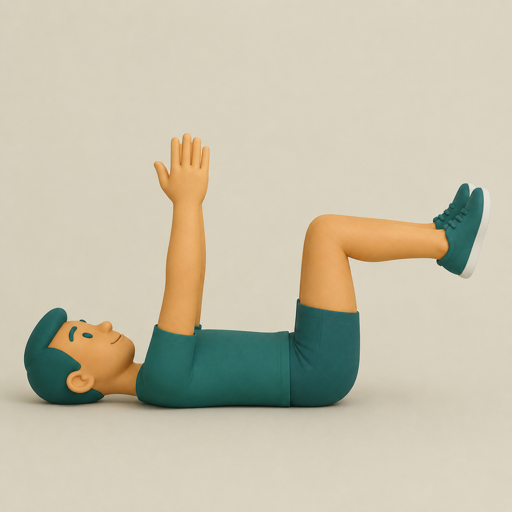 Dead bug — 8 to 10 reps per side. The floor coaches the deep core to hold steady while load moves around it; if your lower back peels up, the range was too big.
Letting ordinary days do the training
Here is the reframe that makes this stick: everyday lifting is not the risk to be managed around your exercise routine — done at sensible doses, it is part of the routine. Every grocery bag carried close, every laundry basket lifted with a breath and a hip hinge, is a rep that keeps the pattern practised and the capacity ticking over. Backs stay good at what they regularly, comfortably do.
The moves above pair naturally with the rest of the gentle strength work in Core Moves That Are Safe When Your Back Hurts, and everything on this site for the area lives in the lower-back relief hub. Give the strength side two to three weeks of consistency before judging it — capacity builds on the scale of weeks, and it tends to show up first as lifts that simply feel less eventful.
And if you would rather have the pieces assembled for you, the 60-second check-in builds a daily ten-minute plan around your specific back — which moves, in what order, at what pace — and guides you through one short session a day, with the first session free.
When lifting pain deserves a professional
Most lifting-related soreness settles with a few easier days and a gradual return to normal. But see a healthcare professional promptly if a lift brought sudden severe pain that is not easing, pain that runs below the knee, or numbness, tingling, or weakness in a leg — and seek urgent care for any change in bladder or bowel control. The same goes for back pain alongside fever or unexplained weight loss, or pain that keeps worsening over weeks. The NHS back pain guidance lists the same warning signs.
This guide is educational information, not medical advice. When in doubt, check with your doctor before starting any exercise program.
Reading helps — a plan does the deciding for you: which moves, in what order, for your back.
Start my 60-second check-inFirst session free · no card needed
Educational information, not medical advice — consult a licensed healthcare provider, and check with your doctor before starting any exercise program.