Working From Home: Movement Snacks Between Calls
Working from home was supposed to be the kinder arrangement — no commute, no crowded train, a chair you actually chose. And yet plenty of backs feel worse after a year at the kitchen table than they did after a decade at the office. The reason is less mysterious than it seems: home working quietly removes the incidental movement an office day forces on you. The walk to the station, the stairs to the third floor, the stroll to a meeting room, the detour past a colleague's desk — all of it gone, replaced by calls stacked back to back and taken in the same chair.
This guide is about putting that movement back, one small piece at a time. Not another workout to schedule, but movement snacks: moves of a minute or less, scattered through the day in the gaps your calendar already has.
Why little and often beats one big session
A back does not keep score the way a fitness app does. What bothers it most is rarely the missing workout — it is held stillness, the hours in which nothing about your position changes. Muscles that hold one shape for a long time gradually tighten into it, the discs of the spine rely on movement to keep fluid and nutrients cycling through them, and a back that has been motionless since the morning stand-up tends to announce itself around three in the afternoon.
An evening run is a fine thing, but it cannot un-sit eight hours; the sitting and the exercise are answers to different questions. Gentle movement spread through the day sits near the top of the self-care evidence for ordinary back discomfort — MedlinePlus's back pain overview keeps staying active at the heart of its guidance — and frequency is exactly what snacking on movement delivers. Sixty seconds every hour interrupts stillness eight times; one heroic session interrupts it once.
Home is, quietly, the perfect venue for this. Nobody sees you arch backwards between meetings. The floor is your own, the wall is available, and the kettle enforces a pause several times a day whether you plan one or not.
Six snacks to scatter between calls
You do not need all six every day. Pick two or three, tie each to a moment that already happens — a call ending, the kettle going on — and let the rotation vary with the day. Every move stays in a comfortable range: these are commas for the workday, not exercise to brace for.
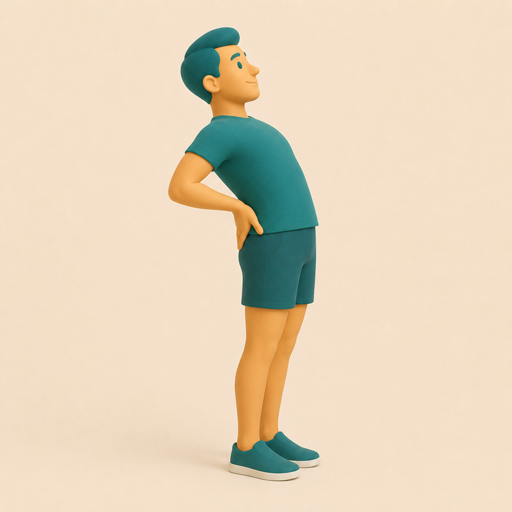 Standing back extension — 5 gentle arcs, hands on hips. The move to pair with hanging up: stand, arch gently the opposite way to your slump, and only then check your messages.
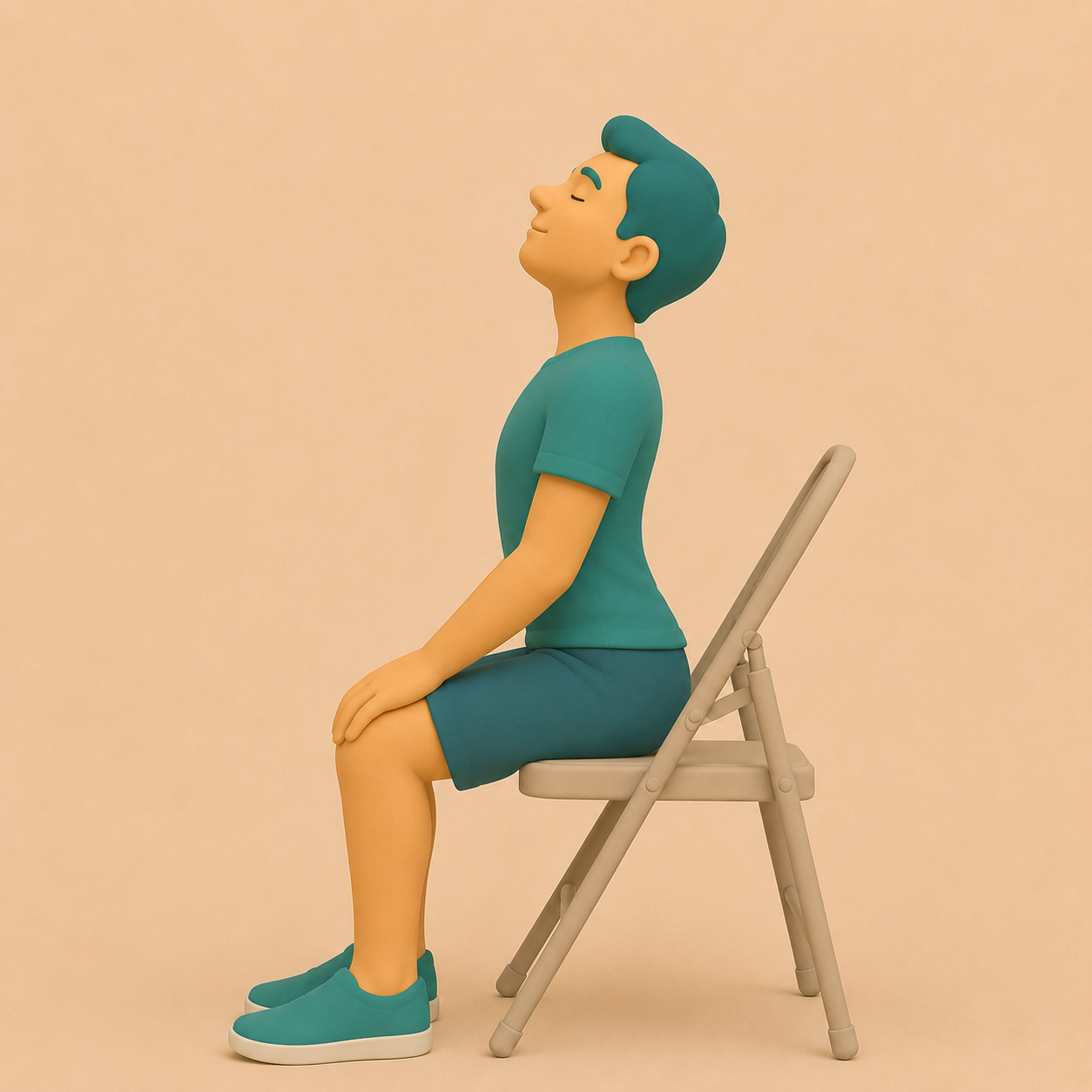 Seated Cat-Cow — 8 slow breath cycles. The full spinal wave without leaving the chair — camera off, chest lifting on the inhale, spine rounding on the exhale, breath setting the pace.
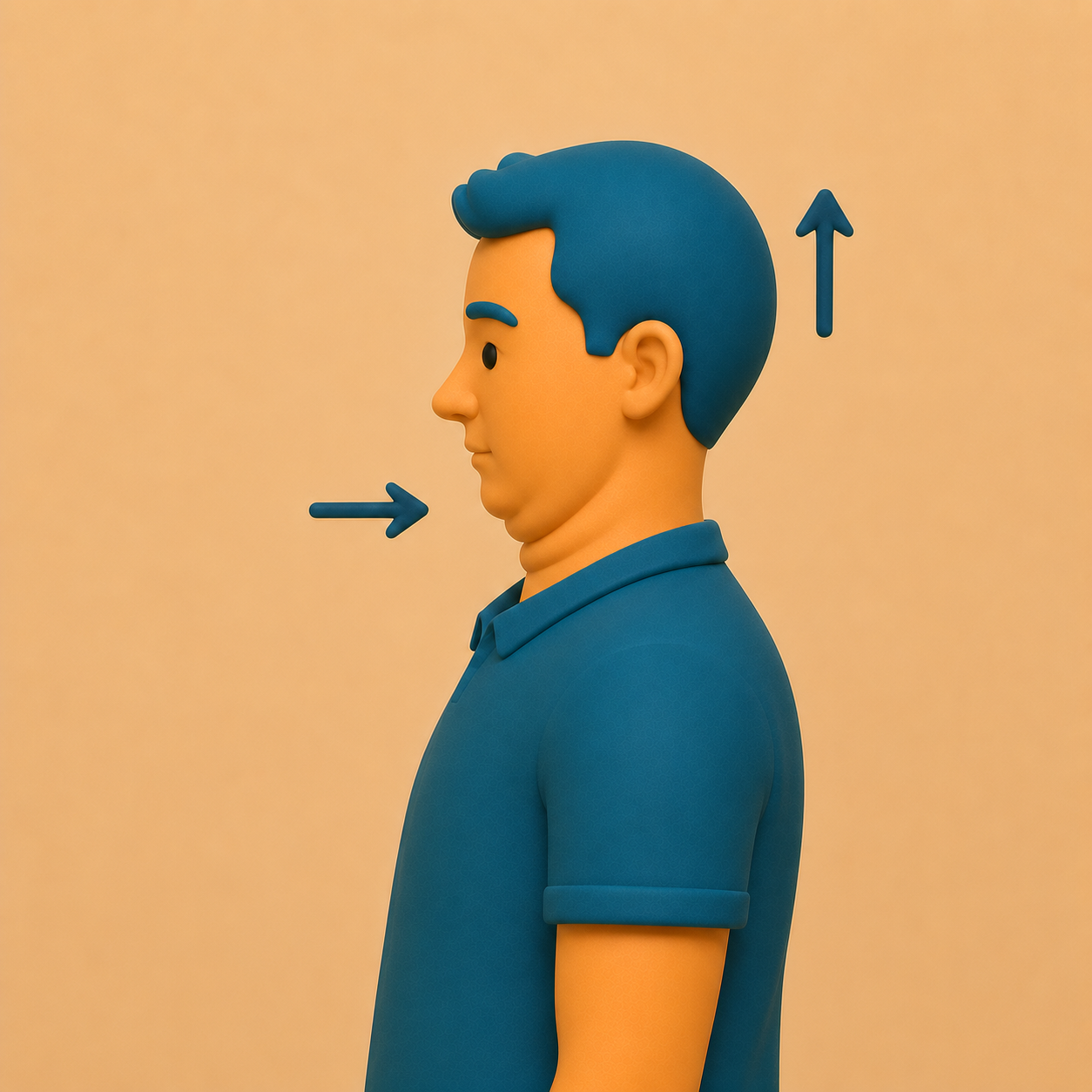 Standing chin tuck — 8 to 10 slow reps. For the head that has crept toward the screen all morning; draw the chin gently back and feel your head land over your spine again.
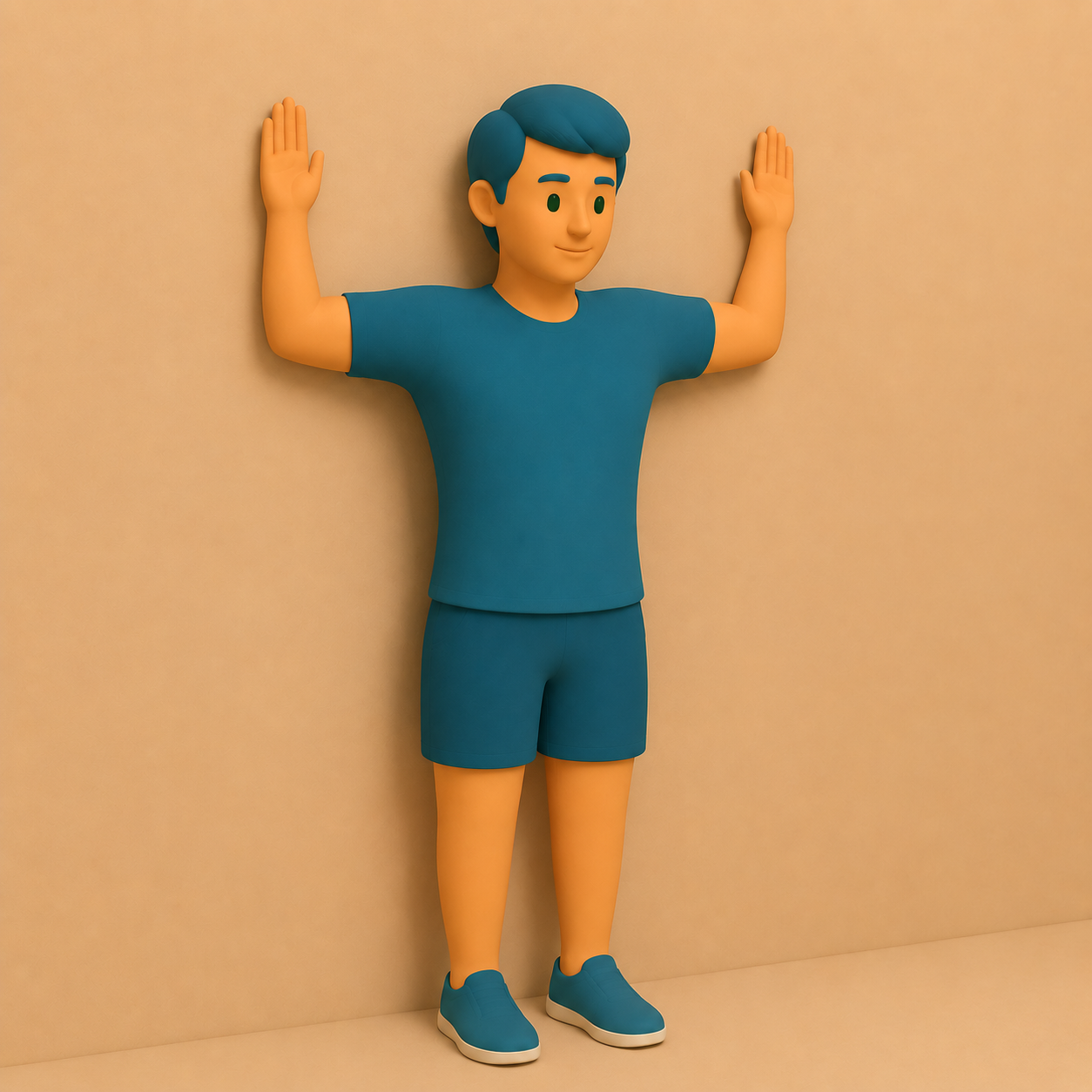 Wall angels — 6 to 8 slow slides. Back against the nearest wall, arms tracing a slow snow angel; the shoulders and upper back get the opening a laptop day keeps taking away.
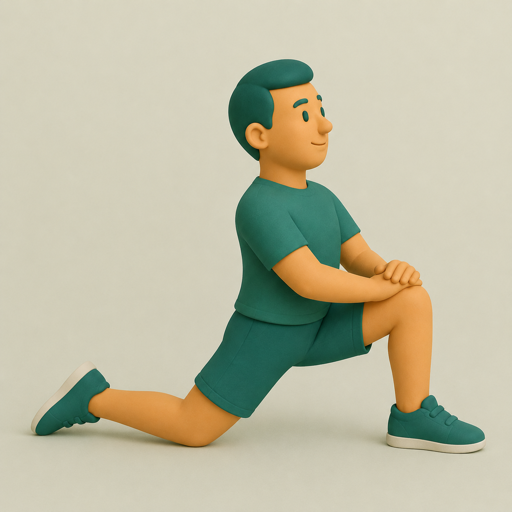 Kneeling hip flexor stretch — 30 seconds per side. A genuine home-office perk: the floor is right there and nobody is watching. Opens the front of the hips that sitting keeps shortened.
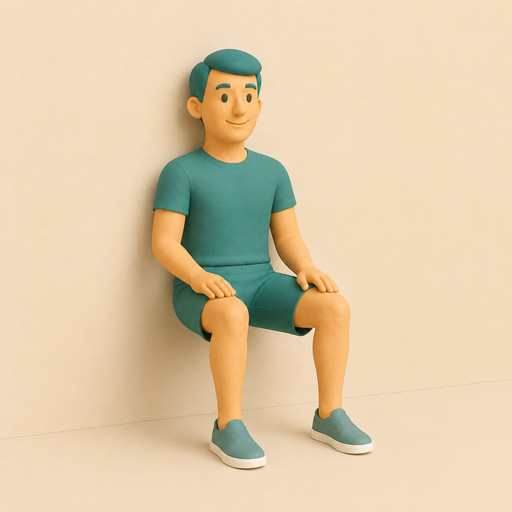 Wall sit — 20 to 30 seconds while the kettle boils. A quiet strength snack for the legs and trunk that fits exactly inside the pause you were taking anyway.
Wiring snacks into a real workday
Willpower is a poor scheduler, so do not rely on it. Attach each snack to an anchor that already exists: every time a call ends, stand and do your five arcs before touching the keyboard. Every time the kettle goes on, the wall sit happens while it works. The anchor does the remembering, and within a week or two the pairing runs on its own — hang up, stand, arch, sit back down.
Calls themselves hold more movement than they appear to. A call that does not need your camera is a chance for seated Cat-Cow or a set of chin tucks; a call that only needs your voice can be taken standing, or pacing the hallway. Even on camera, nobody ever notices shoulders rolling gently or weight shifting from one sitting bone to the other. The aim across the day is simply that no single stretch of stillness runs much past 30 to 45 minutes.
Some days the calendar wins anyway — calls gapless from nine until five. For those, the chair yoga routine covers a whole session without leaving the seat, and on days you are back at a desk among colleagues, the same thinking translates into the desk-day moves.
When snacks want a bigger plan
Movement snacks are maintenance: they may help the day feel looser and stop stillness accumulating, and for many home workers that alone changes how evenings feel. What they do not do on their own is make a back gradually stronger — that takes a small amount of structured, progressing work, which is daytime snacking's natural companion rather than its replacement.
If you want that side handled for you, the 60-second check-in builds a daily ten-minute plan around your specific back and your workday — which moves, in what order, at what pace — and then guides you through one short session a day, with the first session free.
When a home-working back deserves a professional
Most work-from-home back ache is the ordinary, stillness-driven kind, but some patterns need medical eyes before they need movement snacks. See a healthcare professional promptly if your pain follows a fall or accident, runs down a leg, or comes with numbness, tingling, weakness, fever, or unexplained weight loss — and likewise if it keeps worsening over weeks or reliably wakes you at night. The NHS back pain guidance lists the same warning signs.
This guide is educational information, not medical advice. When in doubt, check with your doctor before starting any exercise program.
Reading helps — a plan does the deciding for you: which moves, in what order, for your back.
Start my 60-second check-inFirst session free · no card needed
Educational information, not medical advice — consult a licensed healthcare provider, and check with your doctor before starting any exercise program.